How to Create a PayPal Account
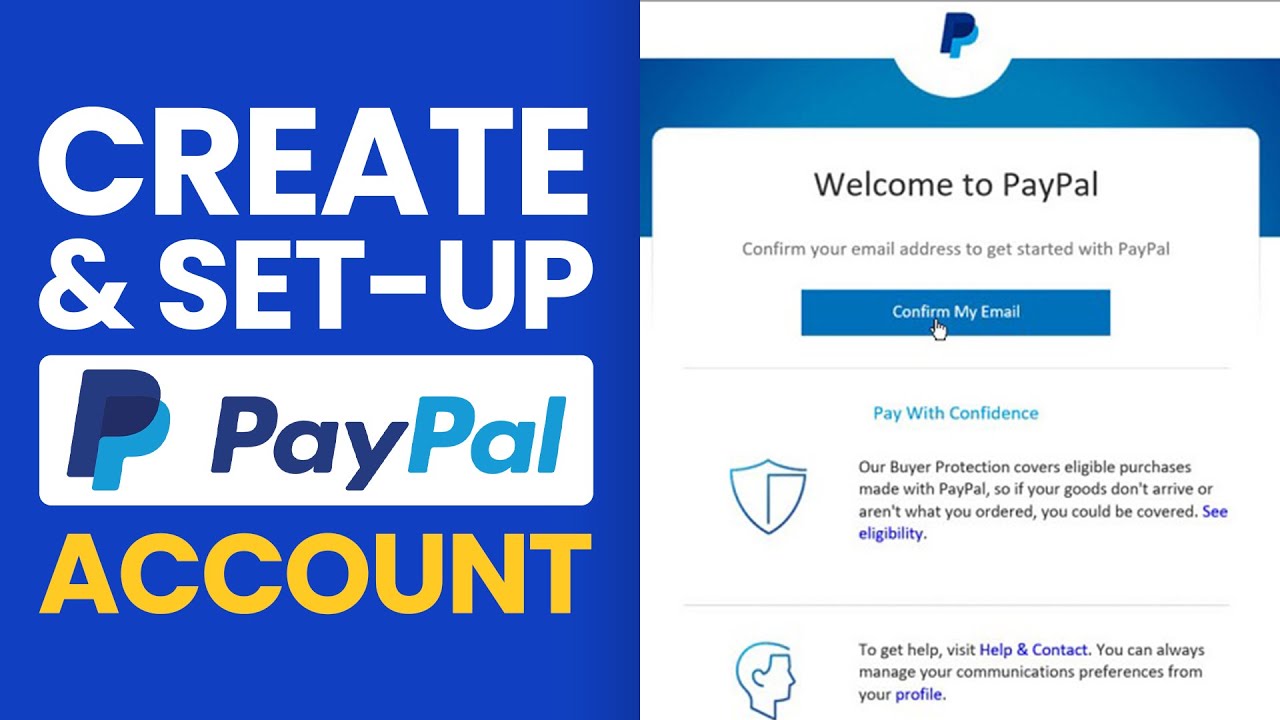
Creating a PayPal account is a straightforward process that opens up a world of online payment possibilities. PayPal is one of the most popular digital wallets, allowing users to send and receive money securely across the globe. To get started, visit the PayPal website or download the app from your device's app store. You'll need a valid email address, as this will serve as your account identifier. Choose whether you're creating a personal or business account – for most individuals, a personal account suffices. Enter your personal information, including your name, address, and phone number. PayPal will then ask you to link a funding source, such as a bank account or credit card, to verify your identity and enable transactions. Once set up, you can explore features like buyer protection and easy checkout on various e-commerce sites. The platform's security measures, including encryption and fraud monitoring, ensure your financial data remains safe. With over 400 million active users worldwide, PayPal has become essential for online shopping, freelancing, and international transfers.
Send and Receive
Sending and receiving money with PayPal is incredibly simple and efficient. To send money, log into your account and select the 'Send' option. Enter the recipient's email or phone number associated with their PayPal account, specify the amount, and choose the currency. You can add a note for the transaction if needed. PayPal offers options for personal payments to friends and family, which are often free when using your balance or linked bank account, or goods and services payments that include buyer protection but may incur fees. For receiving money, share your PayPal email or use a PayPal.Me link. Funds received appear in your PayPal balance instantly in most cases. International transfers are supported in over 200 countries, with competitive exchange rates. Always review the fees, which vary based on the transaction type and location. PayPal's mobile app makes this process even more convenient, allowing transfers on the go. Security features like two-factor authentication protect your transactions from unauthorized access.

Request Payment
Requesting payments through PayPal is an excellent way for freelancers, sellers, and service providers to collect funds easily. From your dashboard, select 'Request' and enter the payer's email or phone number. Specify the amount, currency, and add a description or invoice details. PayPal generates a secure link that you can share via email, text, or social media. For businesses, creating professional invoices with itemized lists and tax calculations is possible. Recipients can pay even without a PayPal account using a credit card. Requests expire after 30 days if unpaid. Track pending requests in your activity log. This feature is particularly useful for e-commerce, where you can integrate PayPal buttons on your website. Fees for receiving commercial payments are typically 2.9% plus a fixed amount, but personal requests are often free. PayPal's dispute resolution system provides protection if issues arise. With instant notifications, you'll know when payments arrive, helping manage cash flow effectively.
Download App
The PayPal mobile app enhances your experience by bringing all features to your smartphone. Available for iOS and Android, download it from the App Store or Google Play. Once installed, log in with your account credentials or create a new one directly in the app. The intuitive interface allows quick access to sending money, requesting payments, and checking your balance. Features like QR code scanning for in-person payments and touchless checkout make it versatile. Set up notifications for transactions, and use biometric login for security. The app also supports cryptocurrency purchases in select regions. Manage linked cards and banks on the go, and view detailed transaction history. For shoppers, it integrates with many retailers for seamless payments. Regular updates add new functionalities, like bill splitting with friends. With offline capabilities for some features, it's reliable even with poor connectivity. Millions use the app daily for its convenience and robust security measures.

Withdraw Your Funds
Withdrawing funds from your PayPal balance is flexible and user-friendly. Options include transferring to your linked bank account, which is free in most countries and takes 1-3 business days. Instant transfers to eligible debit cards are available for a small fee. In some regions, you can withdraw to a PayPal debit card for immediate access at ATMs. Minimum withdrawal amounts vary by country, typically around $1-10. Ensure your account is verified to lift limits. International withdrawals may involve currency conversion fees. Track transfer status in your wallet section. For businesses, batch withdrawals streamline operations. PayPal partners with local banks in many countries for faster processing. If issues occur, customer support is available 24/7. Regular withdrawals help maintain account activity and avoid dormancy fees. With proper planning, you can optimize your cash flow using PayPal's withdrawal options effectively. Always review tax implications for large or frequent withdrawals.
Trading Forex
Forex trading, or foreign exchange trading, involves buying and selling currencies on the global market. It's the largest financial market worldwide, with daily turnover exceeding $7.5 trillion. Traders speculate on currency pair movements, like EUR/USD, profiting from fluctuations. Operating 24/5 across major centers like London, New York, and Tokyo, it offers high liquidity. Leverage allows controlling large positions with small capital, but increases risk. Fundamental analysis considers economic indicators, while technical analysis uses charts and patterns. Brokers provide platforms like MetaTrader for execution. Success requires discipline, risk management, and continuous education. Many start with demo accounts to practice. Regulations vary by country, ensuring fair practices. With mobile apps, trading is accessible anytime. However, it's not suitable for everyone due to potential losses exceeding deposits.
Basics of Forex Trading
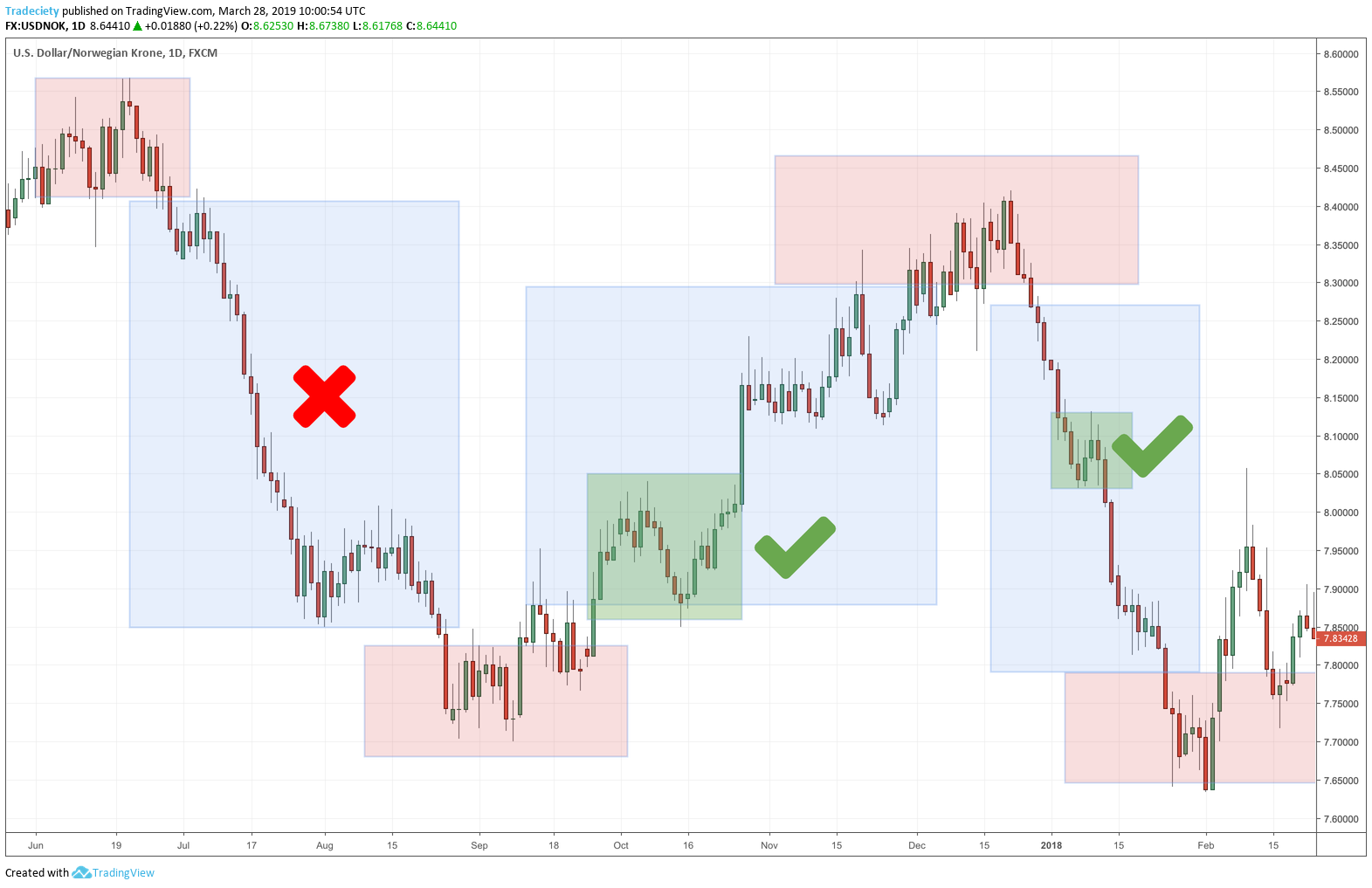
Understanding the basics is crucial for new forex traders. Currency pairs are quoted as base/quote, e.g., GBP/USD at 1.30 means 1 pound buys 1.30 dollars. Pips measure price changes, typically the fourth decimal. Lots standardize trade sizes: standard (100,000 units), mini (10,000), micro (1,000). Bid/ask spread is the broker's profit. Long positions buy expecting rise; short sell anticipating fall. Economic news like GDP, interest rates impact prices. Central banks' policies drive major moves. Time zones affect volatility; London-New York overlap is busiest. Demo accounts simulate real trading without risk. Books and online courses build foundational knowledge. Starting small minimizes losses while learning. Patience is key; overnight success is rare in forex.

Choosing a Broker
Selecting the right broker is vital for forex success. Look for regulation by bodies like FCA, CFTC, or ASIC for fund protection. Compare spreads, commissions, and leverage offered. Platform usability, like MT4/MT5 or proprietary, matters. Check execution speed to avoid slippage. Customer support should be 24/7 via chat, phone, email. Deposit/withdrawal options and fees vary; prefer low-cost, fast methods. Educational resources, webinars, and analysis tools add value. Read reviews on sites like Trustpilot. Demo accounts test services. Some brokers offer bonuses, but read terms. ECN brokers provide direct market access for tight spreads. Mobile trading apps are essential. Ultimately, choose based on your trading style and experience level.
Trading Strategies
Effective strategies guide forex trading decisions. Trend following uses moving averages to ride momentum. Range trading buys at support, sells at resistance in sideways markets. Scalping makes numerous small trades for quick profits. Swing trading holds positions days to weeks, capturing swings. Carry trade exploits interest rate differentials. News trading reacts to economic releases. Technical indicators like RSI, MACD aid analysis. Backtesting strategies on historical data validates them. Combine with risk management: never risk over 1-2% per trade. Journal trades to refine approaches. Adapt strategies to market conditions; no one fits all. Advanced traders use algorithms. Continuous testing and adjustment improve performance over time.

Risk Management
Risk management protects capital in forex trading. Use stop-loss orders to limit losses automatically. Position sizing ensures appropriate trade volume relative to account size. Risk-reward ratio should be at least 1:2. Diversify across pairs to spread risk. Avoid over-leveraging; 1:10 is conservative. Set daily loss limits to prevent emotional trading. Use trailing stops to lock profits. Monitor economic calendar to avoid high-volatility events if risk-averse. Regular account reviews identify issues. Psychological aspects: stick to plan, avoid revenge trading. Insurance-like hedging in some jurisdictions. Proper risk management turns trading into a sustainable business rather than gambling. Long-term survival depends on preserving capital during losing streaks.
Shopping Online
Online shopping has revolutionized retail, offering convenience and vast selection from home. Platforms like Amazon, eBay, and Alibaba connect buyers to millions of products worldwide. Compare prices easily across sites. Secure payment options include credit cards, PayPal, and buy-now-pay-later services. User reviews guide decisions. Fast shipping, often free, with tracking. Returns are straightforward on reputable sites. Mobile apps enhance experience with personalized recommendations. Global access allows buying unique items unavailable locally. However, watch for scams; stick to trusted sites. During sales like Black Friday, savings are significant. Subscription models for regulars save time and money. The e-commerce market grows annually, projected to reach $8 trillion by 2027. It's essential for modern consumers.

Benefits of Online Shopping
Convenience tops the list: shop anytime, anywhere, without crowds. Vast variety exceeds physical stores. Price comparison tools find best deals. Detailed product info, specs, and images aid choices. Customer reviews provide real insights. No geographical limits; import easily. Often lower prices due to reduced overheads. Easy gifting with direct shipping. Environmental benefits from fewer trips. Personalized experiences via algorithms. Subscription services automate repeats. During pandemics, it's safer. Time-saving: no lines, quick checkout. Track orders in real-time. Many offer price matching. Overall, it empowers consumers with information and choice.
Tips for Safe Shopping
Use secure sites with HTTPS and padlock icons. Strong, unique passwords for accounts. Enable two-factor authentication. Shop known retailers or check reviews. Avoid public Wi-Fi for purchases. Use credit cards over debit for better protection. Monitor statements for unauthorized charges. Be wary of too-good-to-be-true deals. Read return policies carefully. Use virtual credit cards for added security. Install antivirus software. Don't save card details on sites. Check seller ratings on marketplaces. Use price tracking tools to verify sales. Report suspicious activity immediately. Educate yourself on common scams like phishing.
Popular Platforms
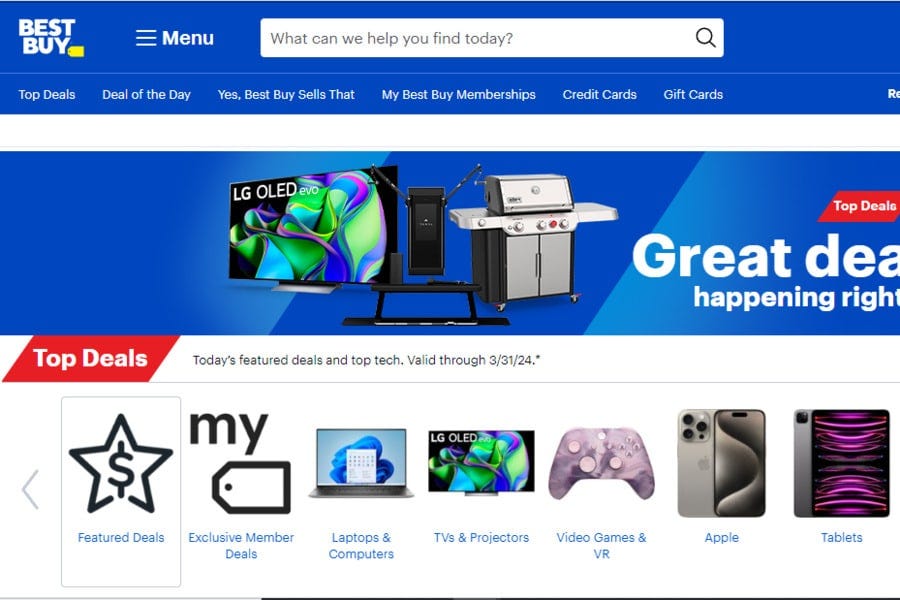
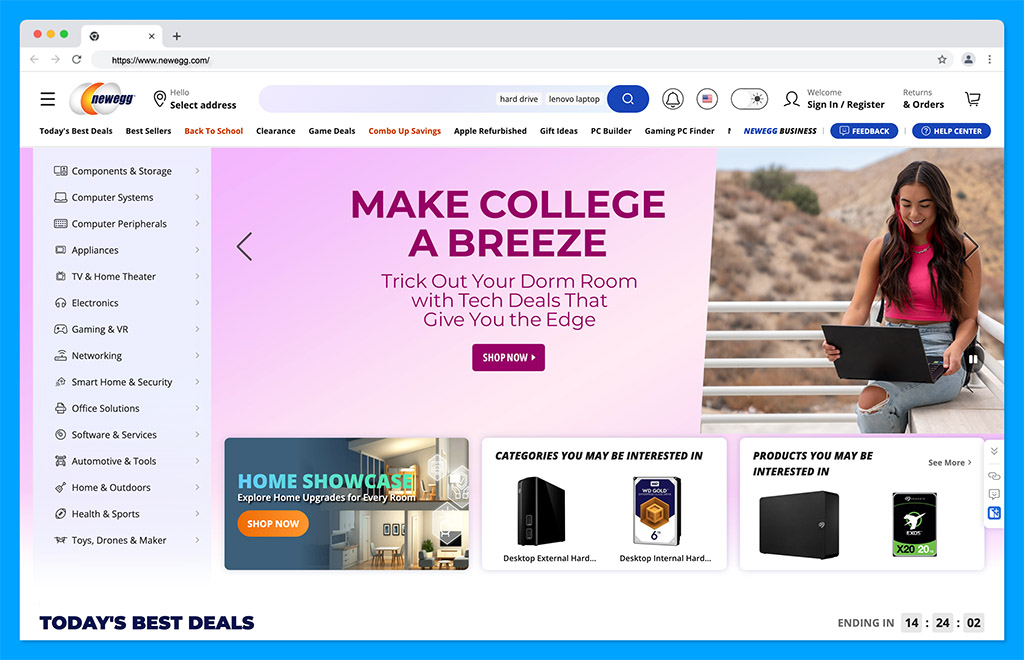
Amazon dominates with Prime perks like fast shipping. eBay for auctions and used items. Walmart for groceries and everyday essentials. Target for stylish home goods. Etsy for handmade and vintage. AliExpress for cheap international goods. Best Buy for electronics. Sephora for beauty. Zappos for shoes with free returns. Newegg for tech components. Shopify powers many independent stores. Each has unique strengths: Amazon's variety, eBay's bargains, Etsy's uniqueness. Mobile apps improve usability. Loyalty programs reward frequent shoppers. Integration with social media for discovery.
Dealing with Returns
Understand policies: time frames, condition requirements. Keep packaging and tags. Print return labels from accounts. Drop off at designated points or schedule pickups. Track returns for refunds. Some charge restocking fees. For faulty items, contact support. Use original payment method for refunds. Prepaid labels simplify process. Photograph items before returning. Appeal if denied unfairly. Third-party sellers may have different rules. During holidays, extended periods often apply. Eco-friendly options like reusable packaging emerging. Proper handling ensures smooth experience and maintains good standing.
Simple Ways to Make Money Online
Making money online offers flexibility and potential income from home. Opportunities range from freelancing to e-commerce. Required: computer, internet, skills. Platforms connect workers globally. Passive income streams like affiliates build long-term. Start small, scale up. Tax implications vary; track earnings. Success needs consistency, marketing. Millions earn full-time online. Diversify sources for stability. Continuous learning keeps competitive. With low barriers, anyone can start. Potential unlimited, but requires effort.

Freelancing
Freelancing leverages skills for project-based work. Sites like Upwork, Fiverr connect clients. Popular fields: writing, design, programming, marketing. Build profile with portfolio, reviews. Set competitive rates. Communicate clearly. Meet deadlines for repeat business. Specialize for higher pay. Tools like Zoom for meetings. Contracts protect both parties. Scale by outsourcing. Average earnings vary; top freelancers make six figures. Flexibility in hours, location. Continuous skill upgrading essential. Networking on LinkedIn helps. Tax self-employment considerations.
:max_bytes(150000):strip_icc()/top-ways-to-make-money-online-4120956_FINAL-5b3e72ccc9e77c00375fae63.png)
Affiliate Marketing
Affiliate marketing promotes products for commissions. Join programs like Amazon Associates, ClickBank. Create content: blogs, videos, social posts with links. Traffic drives sales. SEO optimizes visibility. Email lists build audiences. Niche focus increases conversions. Tools like Ahrefs for research. Disclosures required ethically. Passive once set up. Top affiliates earn millions. Start with free platforms. Analytics track performance. Partnerships with brands. Content quality key. Compliance with FTC rules.
Online Surveys
Online surveys provide easy extra cash. Sites like Swagbucks, Survey Junkie pay for opinions. Short tasks, flexible timing. Rewards: cash, gift cards. Consistent participation maximizes earnings. Profile accuracy for relevant surveys. Avoid scams promising high pay. Apps for mobile completion. Refer friends for bonuses. Average $1-5 per survey. Not full-time, but supplements. Combine with other methods. Privacy: reputable sites protect data. Time-efficient for downtime.

Selling Products Online
Selling products online via eBay, Etsy, Shopify. Dropshipping eliminates inventory. Create listings with photos, descriptions. Marketing via social, ads. Customer service crucial. Pricing competitive. Trends guide inventory. Tools like Oberlo for sourcing. International shipping expands reach. Returns policy builds trust. Analytics optimize. Start small, reinvest profits. Print-on-demand for custom goods. Success stories abound. Legal: business registration if scaling. Fulfillment services help growth.
How to Avoid Losses in Forex Trading
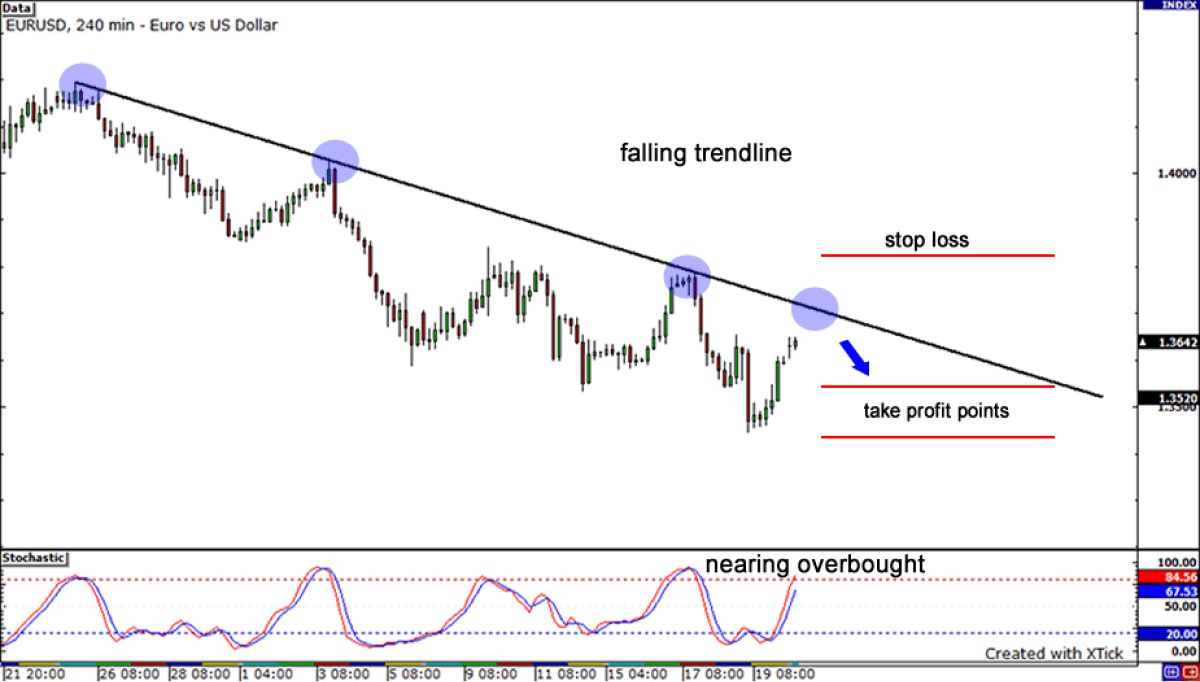
Forex trading carries risks, but strategies minimize losses. Education foundational: understand markets, analysis. Discipline over emotions. Proper capital management preserves accounts. Diversification spreads risk. Continuous monitoring essential. Use reliable brokers. Backtest strategies. Learn from mistakes via journals. Community forums provide insights. Professional advice for complex scenarios. Long-term perspective over quick gains. With care, losses controllable, profits possible.
Understand Market Volatility
Market volatility measures price fluctuations. High volatility increases risk but opportunities. Factors: news, economic data, geopolitics. Volatility indices like VIX gauge sentiment. Adapt strategies: tight stops in volatile times. Avoid trading during major announcements if inexperienced. Historical data shows patterns. Tools like ATR measure average ranges. Understanding helps set realistic expectations. Calm periods for trends, volatile for breakouts. Risk-adjusted position sizing crucial. Education on causes prevents surprises.

Use Stop-Loss Orders
Stop-loss orders automatically close losing positions at predetermined levels. Essential for limiting downside. Set based on technical levels like support/resistance. Trailing stops lock profits as prices move favorably. Avoid moving stops emotionally. Calculate based on risk tolerance, e.g., 1% account per trade. Brokers execute reliably. Mental stops risky due to discipline issues. Combine with take-profit for defined ratios. Review placements regularly. In fast markets, slippage possible; use guaranteed stops if available. Critical tool for all traders.
Diversify Portfolio
Diversification reduces risk by spreading across pairs, assets. Correlated pairs like EUR/USD, GBP/USD move similarly; avoid overexposure. Include commodities, indices. Balance majors, minors, exotics. Time diversification: different sessions. Strategy mix: trend, range. Position sizing adjusts for volatility. Rebalance periodically. Reduces impact of single event. However, over-diversification dilutes focus. Aim for 5-10 positions max. Monitors correlations via tools. Enhances stability, smooths equity curve.
Continuous Learning
Markets evolve; continuous learning essential. Read books like "Trading in the Zone." Online courses on platforms like Babypips. Webinars from brokers. Follow economic calendars. Analyze past trades. Join communities like Forex Factory. Mentor programs accelerate growth. Stay updated on regulations. Practice on demos. Attend conferences. Certifications like CFA add credibility. Adapt to new tech like AI analysis. Lifelong learning separates successful traders. Dedicate time weekly to study.
Creating US Virtual Bank Accounts for Non-Residents
US virtual bank accounts allow non-residents access to USD banking without physical presence. Services like Wise, Payoneer provide them. Benefits: easier international payments, lower fees. Requirements vary; often passport, address proof. Not full banks but payment processors. Useful for freelancers, e-commerce. FDIC insurance sometimes applies. Setup online in minutes. Link to local accounts for transfers. Currency conversion at mid-market rates. Debit cards available. Compliance with US laws important. Popular for global business.

What are Virtual Banks
Virtual banks operate entirely online without branches. Offer checking, savings via apps. Lower overheads mean better rates. Features: instant transfers, budgeting tools. Regulated like traditional banks. Examples: Chime, Varo in US. For non-residents, fintechs like Revolut, N26 expand access. Security via encryption, biometrics. Integration with payment apps. Growing rapidly; billions in deposits. Convenient for digital nomads. However, limited cash deposits. Customer service via chat/email. Future of banking.

Requirements for Non-Residents
Non-residents need identification: passport, national ID. Proof of address, even foreign. Some require US EIN or ITIN. Age 18+. Email, phone for verification. No SSN often, but alternatives like W-8BEN form. Bank statements sometimes. Video verification for KYC. Country restrictions apply. Funds source declaration. Compliance with FATCA. Process online; approvals quick. Fees for setup minimal. Understand tax reporting obligations. Consult professionals if needed.
Popular Options
Wise offers multi-currency accounts with US details. Payoneer for business payments. Mercury for startups. Zenus Bank full US banking remotely. Airwallex for enterprises. Each has strengths: Wise low fees, Payoneer marketplaces integration. Compare limits, costs. User reviews guide choices. Apps for management. Debit cards physical/virtual. ACH, wire support. Growing list as fintech advances. Select based on needs: personal vs business.

Steps to Open
Choose provider, visit site/app. Sign up with email. Verify identity uploading docs. Provide address, personal info. Fund account if required. Wait approval, usually hours-days. Receive account details: routing, account numbers. Link cards/banks. Set security. Start transacting. Monitor for fees. Update info as needed. Close if unused to avoid charges. Easy process overall.
How to Identify if a Forex Broker is Real
Verifying a forex broker's legitimacy protects funds. Check regulation, reviews, services. Scams promise unrealistic returns. Real brokers transparent, regulated. Research prevents losses. Tools like regulator sites help. Community feedback valuable. Test with small deposits. Legitimate ones offer demos, education. Longevity indicates stability. Avoid offshore unregulated. Prioritize safety over bonuses.

Check Regulation
Regulation ensures compliance, fund protection. Major bodies: CFTC/NFA (US), FCA (UK), ASIC (Australia), CySEC (EU). Verify license on regulator websites. Search broker name, number. Unregulated or offshore risky. Tier-1 regulators strictest. Check status: active, complaints. Segregated accounts mandatory. Compensation schemes cover insolvencies. Avoid brokers claiming regulation without proof. Updates regular.

Read Reviews
Reviews from sites like Trustpilot, Forex Peace Army. Look for patterns: execution, withdrawals. Ignore extremes; focus averages. Recent reviews more relevant. Forums like Reddit discuss experiences. Video testimonials sometimes. Contact reviewers if possible. Broker responses to complaints telling. High ratings with many reviews positive. Beware fake reviews. Cross-reference multiple sources.
Verify Contact Info
Real brokers provide addresses, phones, emails. Verify via Google Maps, calls. Live chat responsiveness. Multiple support channels. Headquarters in regulated countries. Avoid PO boxes only. Social media presence active. Website secure, professional. Domain age checkable. Transparent team bios. Quick responses indicate legitimacy.
Test Customer Support
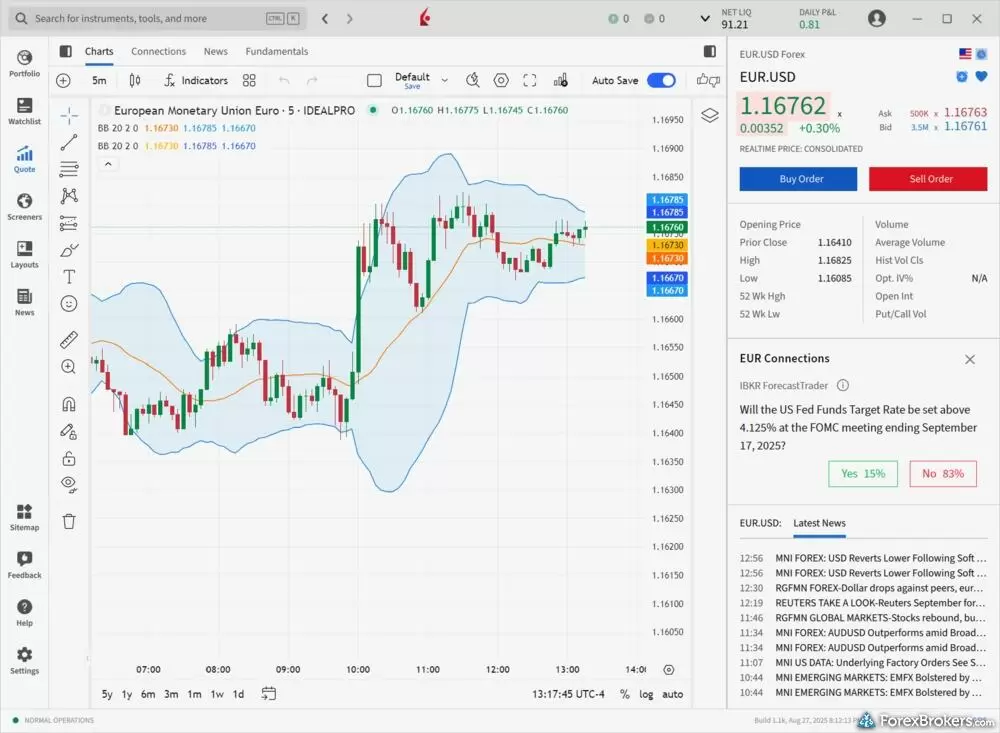
Contact support with questions. Response time, knowledge gauge quality. 24/5 availability for forex. Multiple languages bonus. Test via email, chat, phone. Ask about regulations, fees. Helpful, not pushy. Demo account support. Escalation process. Positive interactions build trust. Poor support red flag.
How to Use AI in Internet Marketing
AI transforms internet marketing with data-driven insights. Tools automate tasks, personalize experiences. Improves ROI, efficiency. From content to ads, AI optimizes. Ethical use important. Integration grows; marketers adapt. Enhances creativity, not replaces. Data privacy key. Future: more advanced applications. Businesses adopting gain edges.

AI for Content Creation
AI generates articles, social posts via tools like Jasper, Copy.ai. Input prompts, get drafts. SEO optimization built-in. Saves time, scales production. Human editing ensures quality. Images via DALL-E. Video scripts automated. Personalization for audiences. Analytics refine. Ethical: disclose AI use. Boosts productivity significantly.

Personalized Marketing
AI analyzes data for tailored campaigns. Recommendation engines like Amazon's. Email personalization increases opens. Chatbots provide custom interactions. Predictive analytics forecast behaviors. Segmentation automates. A/B testing optimized. Improves conversions. Privacy compliance essential. Builds loyalty through relevance.
Data Analysis
AI processes vast data quickly. Tools like Google Analytics AI insights. Sentiment analysis on social. Trend prediction. Customer journey mapping. Fraud detection in ads. Real-time dashboards. Actionable insights. Reduces manual work. Competitive analysis. Informs strategies effectively.

Chatbots and Customer Service
AI chatbots handle queries 24/7. Tools like Drift, Intercom. Natural language processing. Lead qualification. Integration with CRM. Escalation to humans. Multilingual support. Data collection for marketing. Improves satisfaction. Cost-effective. Analytics on interactions. Enhances service scalability.